8 days
Lemosho Route
Our highest-success Kilimanjaro itinerary. The remote western approach gives you two extra acclimatisation nights, the quietest early trails and the most varied scenery on the mountain.
from $2,150
View itinerary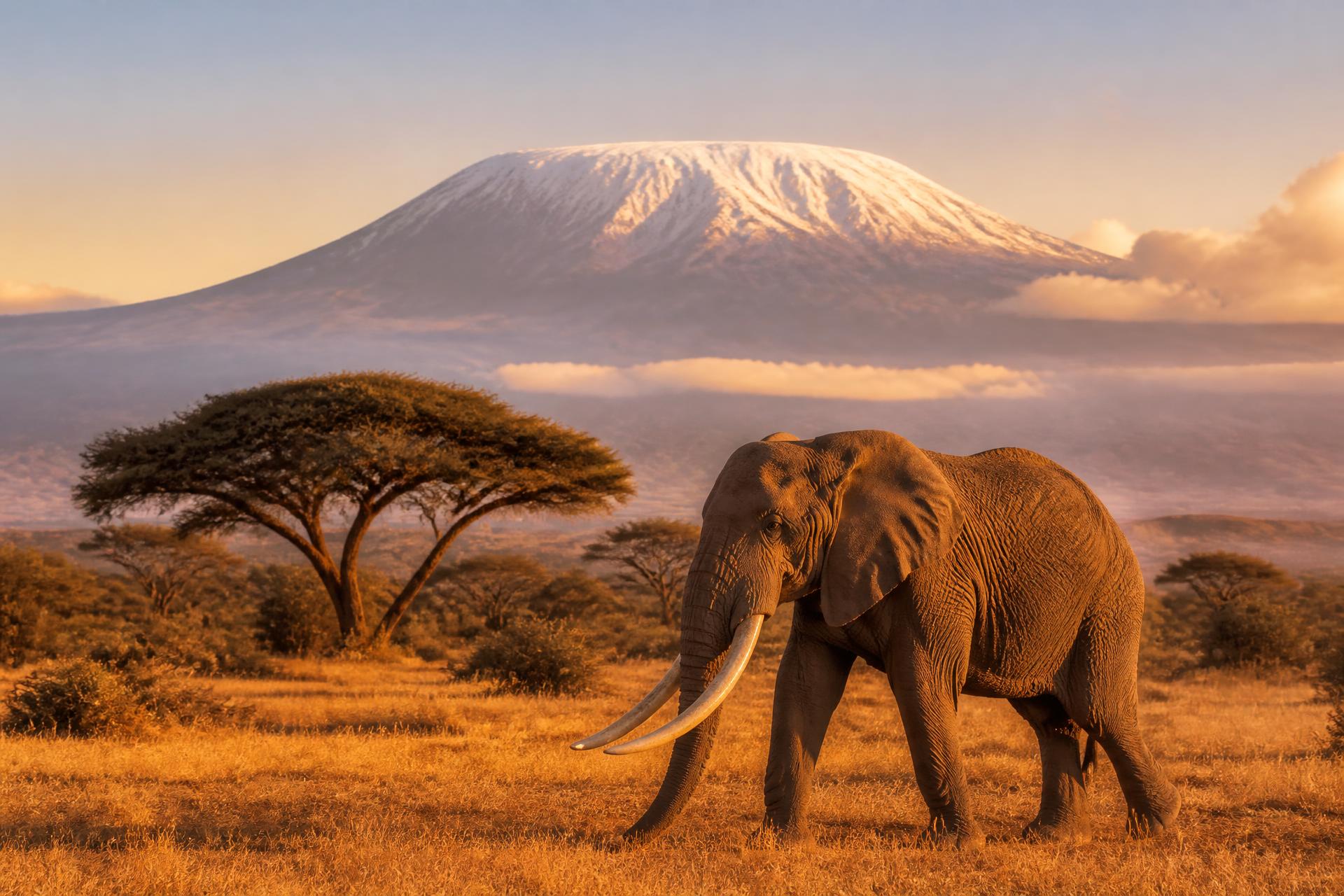
Moshi · Kilimanjaro · Tanzania
Wilderness Footprints Tanzania runs safety-first Mount Kilimanjaro treks and Tanzania wildlife safaris with our own local guides, cooks and porters. One team, one price, from your first message to your summit photo.
98%
Summit success on 8-day routes
14+
Years guiding on Kilimanjaro
100%
Tanzanian owned & operated
24/7
WhatsApp trip support
Your journey, your way
Why book with us
We are a Tanzanian-owned outfitter based at the foot of Kilimanjaro in Moshi. Nothing is outsourced: the guide who briefs you in town is the guide who walks with you to Uhuru Peak and hands you over to your safari driver afterwards.
Kilimanjaro routes
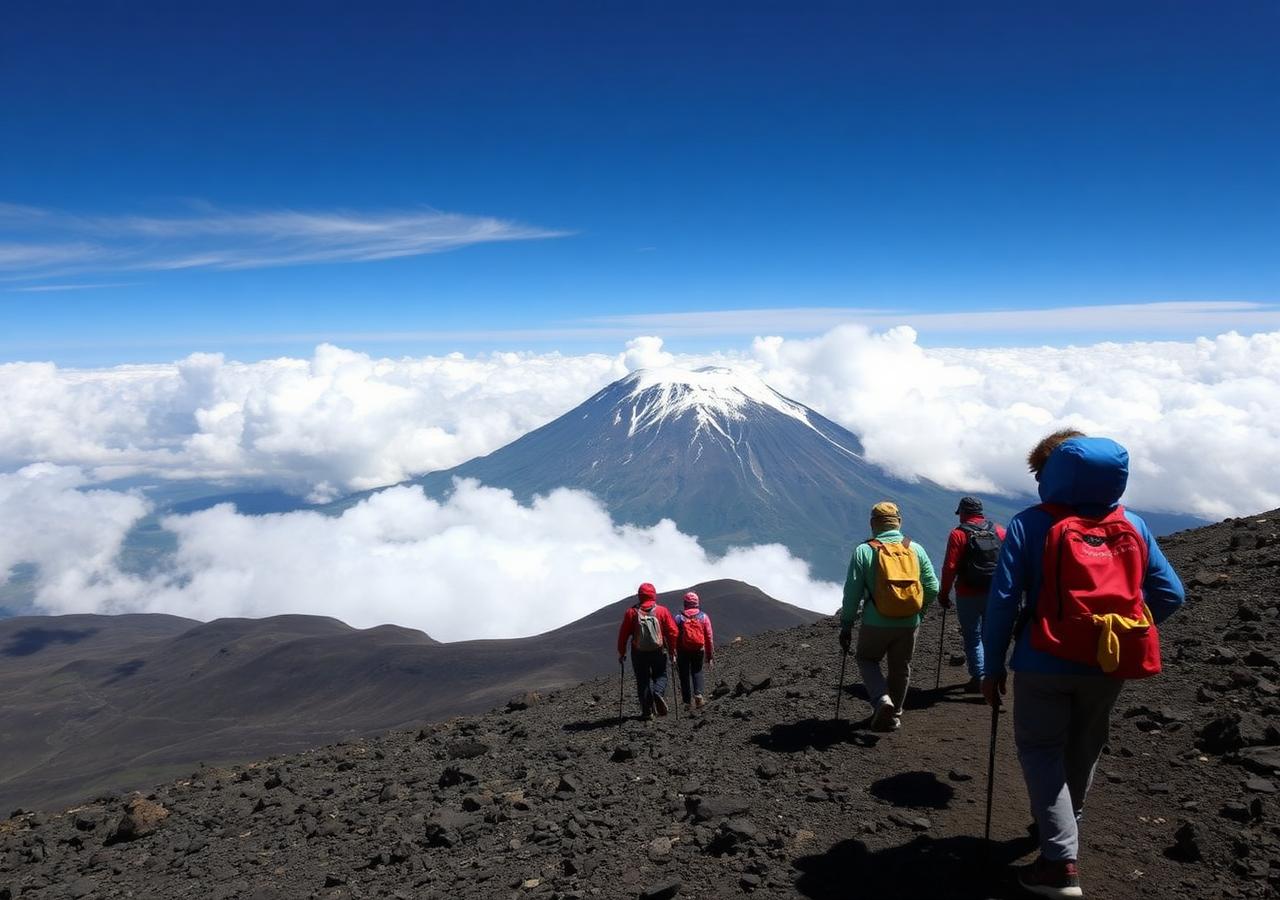
Six guided routes to Uhuru Peak (5,895 m). Prices are per person for a private climb and include park fees, crew, meals, camping gear, hotels and transfers.
Our highest-success Kilimanjaro itinerary. The remote western approach gives you two extra acclimatisation nights, the quietest early trails and the most varied scenery on the mountain.
from $2,150
View itineraryThe classic 'Whiskey' route: rainforest, the Shira Plateau, the Barranco Wall and a strong acclimatisation profile at the best value on the mountain.
from $1,890
View itineraryThe longest route and the quietest trails on Kilimanjaro. Maximum acclimatisation time and a full circle of the Kibo crater on the rarely walked northern slopes.
from $2,590
View itineraryThe only hut-to-hut route on Kilimanjaro. Sleep in mountain huts with bunk beds instead of tents — a solid choice in the wetter months.
from $1,690
View itineraryThe only approach from the dry northern side near the Kenyan border. Gentle gradients, wilderness feel and the best chance of clear weather in the wetter months.
from $2,050
View itinerarySteep, direct and dramatic — the shortest way to the Barranco Valley. For experienced, already-acclimatised trekkers who want a real challenge.
from $1,790
View itinerarySafety is our priority
Altitude is the only real danger on Kilimanjaro, and it is managed with monitoring, patience and the right kit. Every departure leaves Moshi with the same equipment and the same rule: your health outranks the summit.
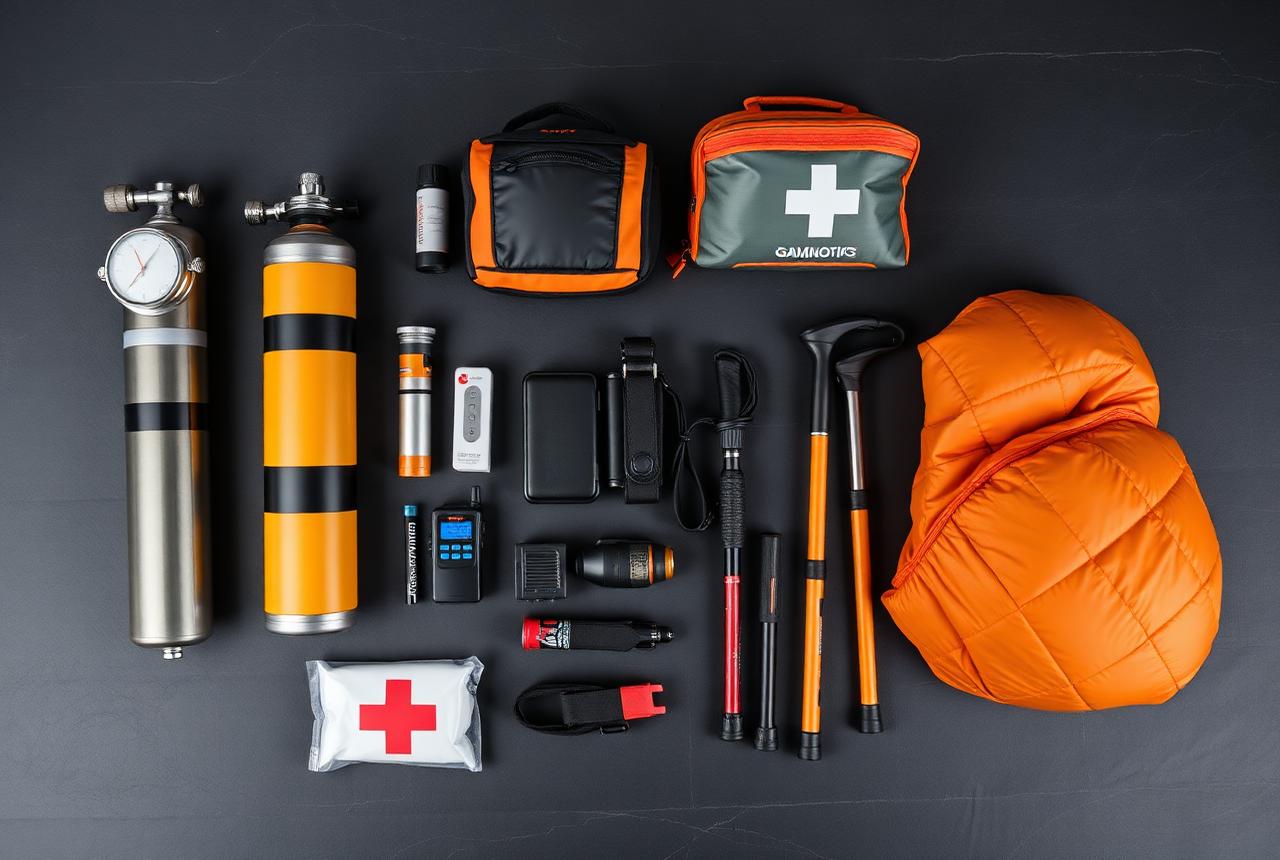
Blood-oxygen and heart rate recorded twice daily for every climber, logged on a health card your guide reviews each evening.
Full cylinders with regulator and mask carried on every departure — for emergency use and safe descent, never to push a summit.
A Gamow-style hyperbaric bag on high-altitude itineraries to stabilise a climber while descent is organised.
Two-way radios between guides plus a satellite phone for park rescue coordination where mobile signal disappears.
First-responder certified lead guides with a minimum guide-to-climber ratio of 1:3 on summit night.
Full expedition trauma and altitude kit, water purification, and stretcher plus evacuation plan for every camp.
Tanzania safaris
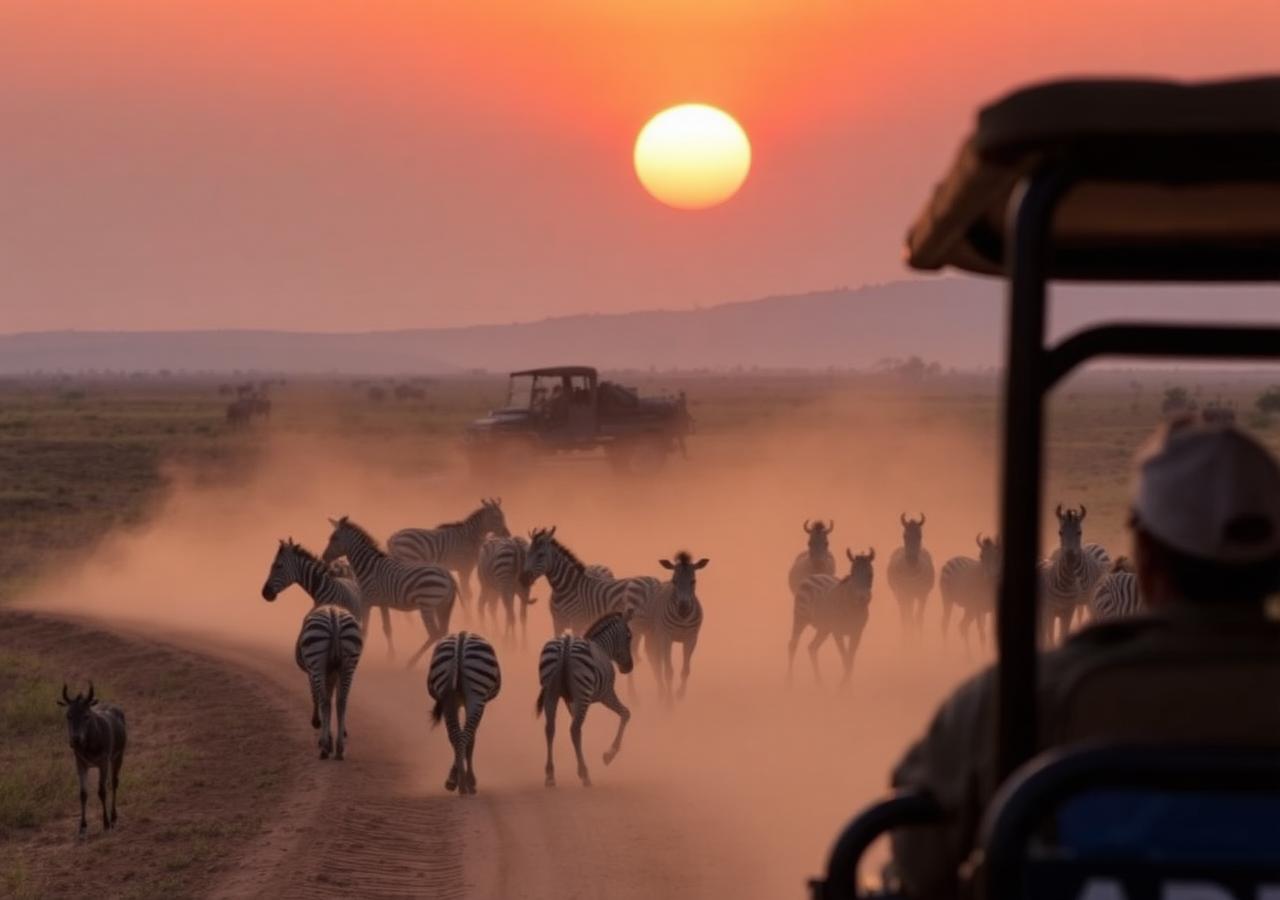
Elephants are our favourite animal, so our safaris are built around the parks where the big herds gather — Tarangire's baobab valleys, the Ngorongoro Crater floor and the endless Serengeti. Private 4x4 Land Cruiser, window seat guaranteed.
Tarangire · Lake Manyara · Ngorongoro Crater
4 days · from $1,150
Tarangire · Serengeti · Ngorongoro Crater
6 days · from $1,980
Tarangire · Serengeti North · Central Serengeti · Ngorongoro
8 days · from $2,750
Arusha National Park · Momella Lakes · Ngurdoto Crater
1 day · from $220
Arrive ready for adventure
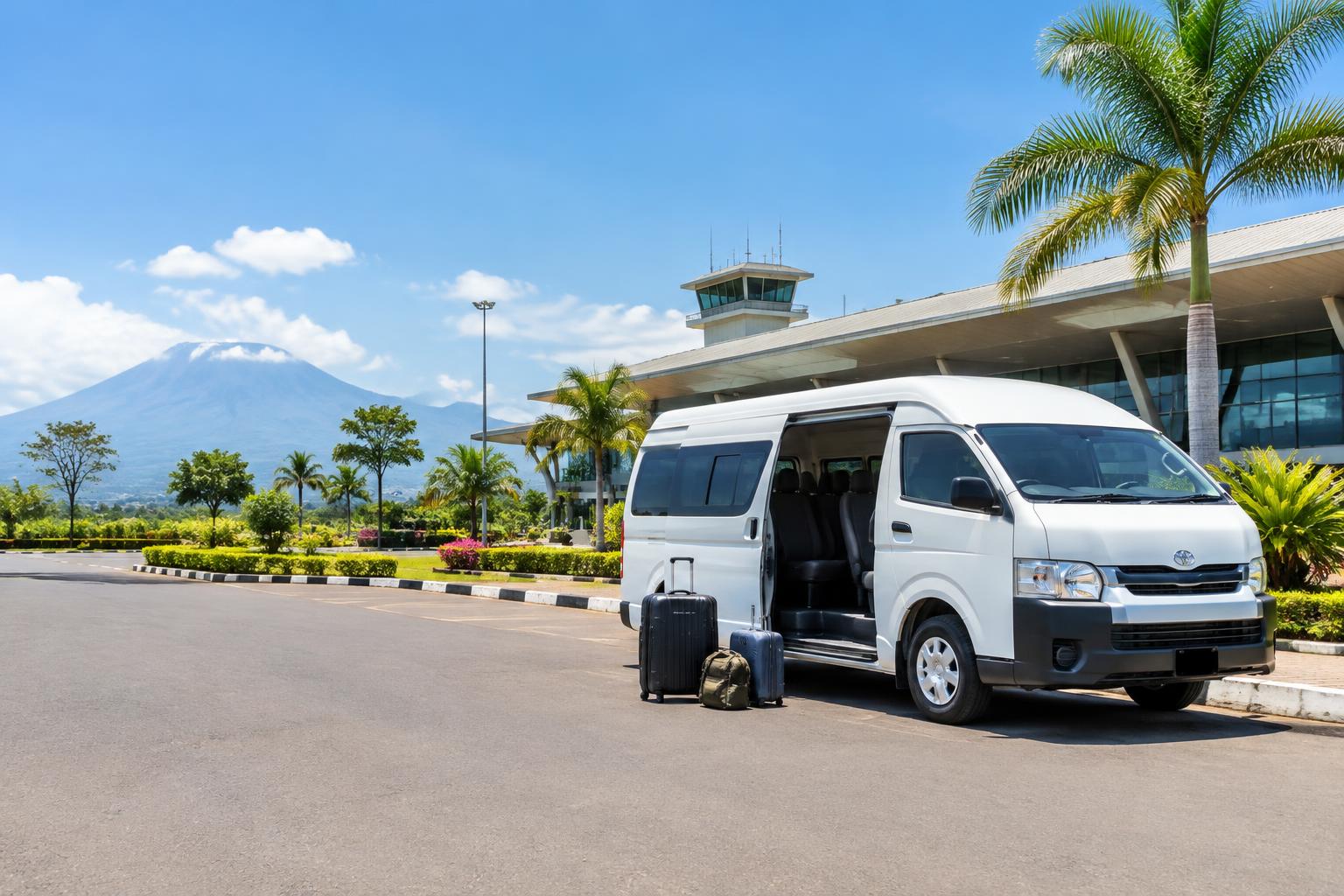
Start planning your arrival and departure with Tanzania Airport Transfer.
Explore airport transfersGallery
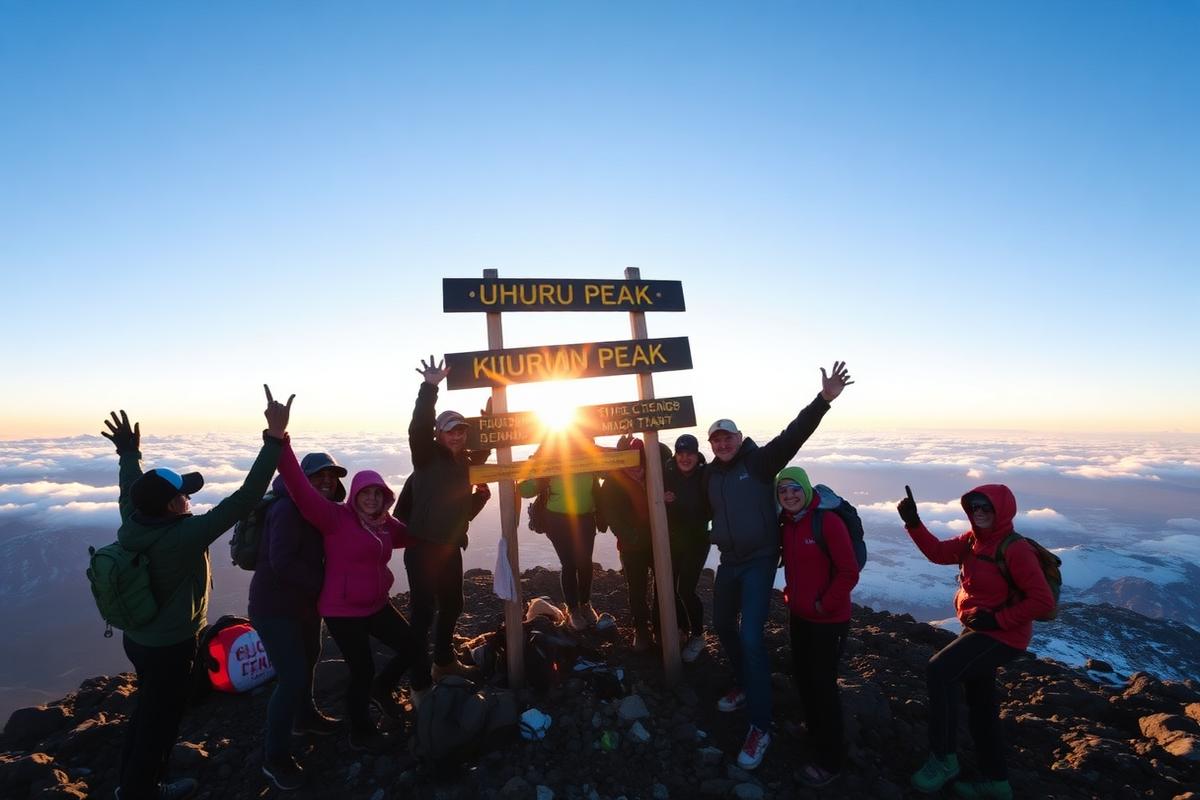
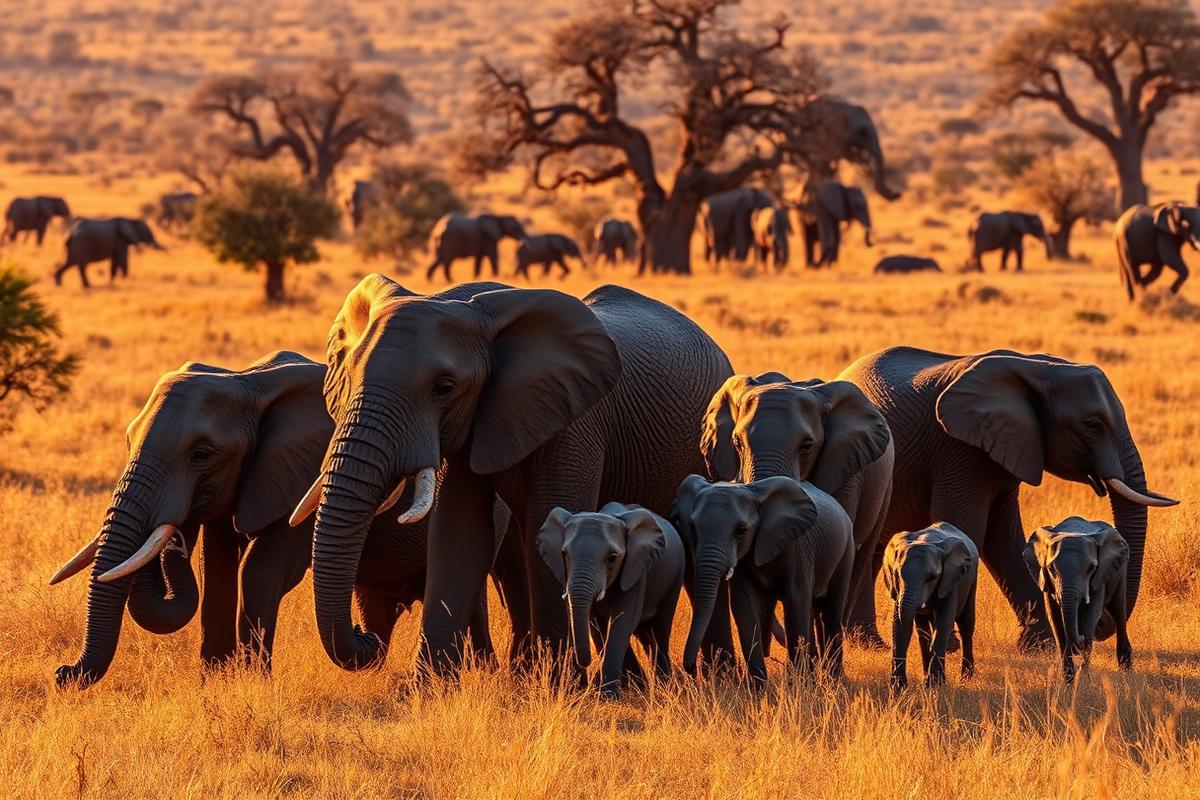
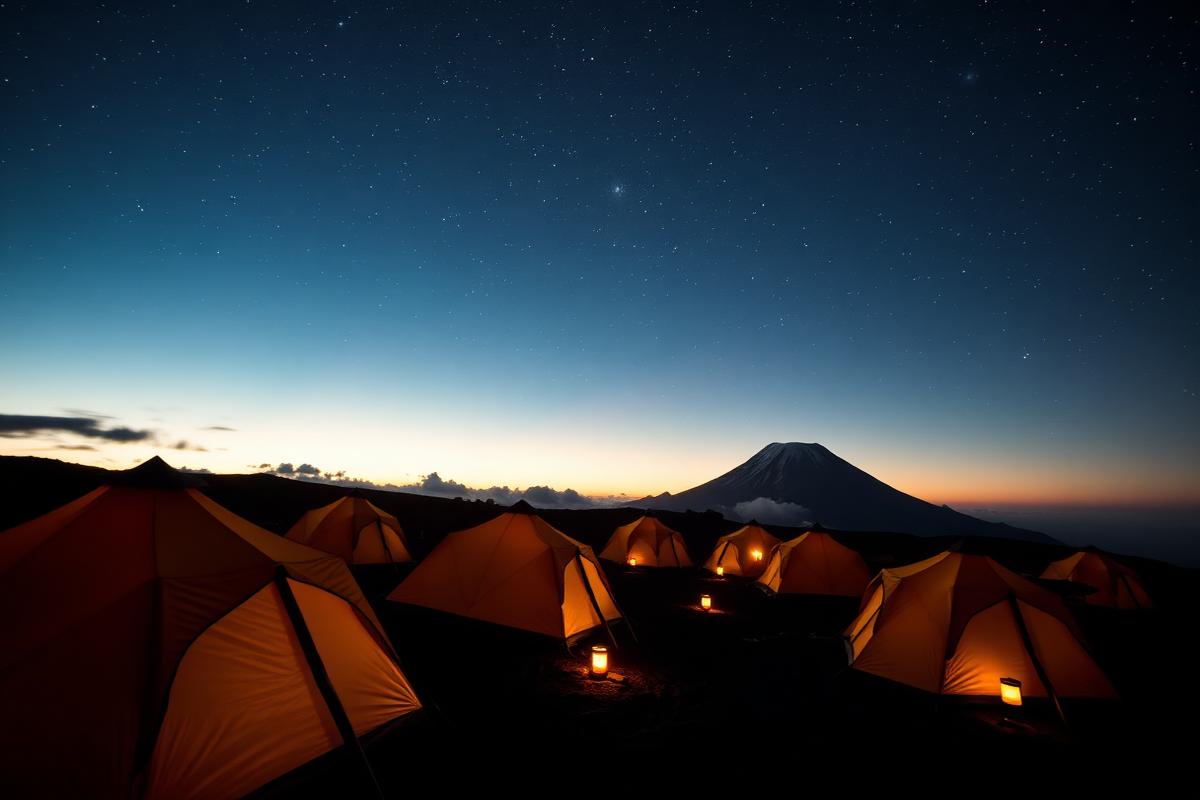
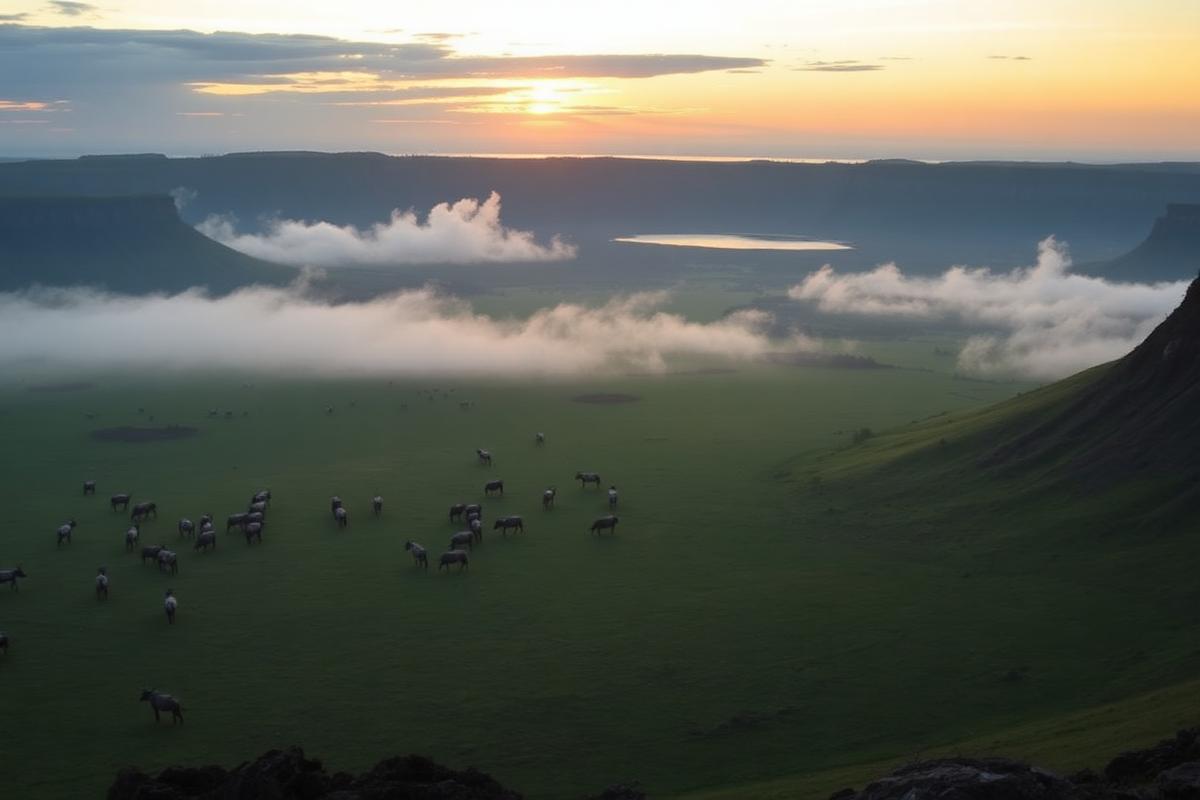
A look at the mountain, the camps and the wildlife of Tanzania.
Guest reviews
Our guide checked our oxygen twice a day and slowed us down exactly when we needed it. Both of us reached Uhuru Peak at sunrise, and four days later we were watching elephant families in Tarangire. Every price we were quoted was the price we paid.
I had questions almost every day before booking and always got a real answer on WhatsApp within a few hours. The camp food was better than some restaurants I know, and the crew were treated properly — that mattered to me.
Travelling with two teenagers, we wanted a private vehicle and a flexible pace. We got both. Our driver-guide spotted a leopard the day everyone else drove past, and the kids still talk about the crater morning.
The northern slopes were empty — days without seeing another group. Booking with a Tanzanian-owned team that knows the mountain this well made the whole thing feel safe rather than heroic.
Good to know
Kilimanjaro is a non-technical trek — no ropes, harnesses or climbing skills are needed. The real challenge is altitude and the slow, steady walk to 5,895 m. If you can walk 5-7 hours a day for several days, you can do this with the right acclimatisation profile and pacing from your guide.
kili-faq-0We recommend 7 to 9 days on the mountain. Longer itineraries give your body more time to acclimatise, which is the single biggest factor in reaching Uhuru Peak. Six-day climbs are possible but summit chances drop noticeably.
kili-faq-1Lemosho (7-8 days) and the Northern Circuit (9 days) offer the best acclimatisation and scenery. Machame (7 days) is a great value classic, Marangu (6 days) is the only hut route, and Rongai is the driest and quietest approach from the north.
kili-faq-2January to mid-March and June to October are the driest, clearest months. We run climbs year-round; April, May and November are wetter but far quieter on the trails and priced lower.
kili-faq-3Yes. Aim for 8-12 weeks of hiking with a daypack, plus stair or hill work and some cardio. Long back-to-back walking days matter more than gym strength.
kili-faq-4Our guides check your pulse and blood-oxygen saturation twice daily and watch you closely. Mild symptoms are managed by slowing down, hydrating and resting. If symptoms progress, we descend immediately — with emergency oxygen, a portable altitude bag and evacuation support available at all times.
kili-faq-5Park and rescue fees, professional guides, cooks and porters, all meals and drinking water on the mountain, quality four-season tents and sleeping mats, camping and kitchen equipment, airport and hotel transfers, and pre-climb briefing with a gear check.
kili-faq-6Absolutely — most guests do. A 3-4 day Northern Circuit safari through Tarangire, Ngorongoro Crater and Serengeti is the perfect reward after the summit, and we handle the whole trip end to end.
kili-faq-7Tipping is customary and shared across the team. As a guideline, budget roughly USD 250-350 per climber for a 7-day climb. We give you a clear breakdown at your briefing so nothing is guesswork.
kili-faq-8The classic Northern Circuit is Tarangire (elephants and baobabs), Lake Manyara, Ngorongoro Crater and Serengeti. For elephant lovers, Tarangire and Amboseli-style Kilimanjaro views are unmatched. Southern parks like Nyerere and Ruaha suit repeat visitors wanting solitude.
safari-faq-0Game viewing is good all year. The wildebeest migration is in the southern Serengeti from December to March (calving), moving north through the western corridor from May to July, with Mara River crossings usually from July to September.
safari-faq-1Very likely. Tarangire has some of the largest elephant herds in East Africa, and Ngorongoro and Serengeti both hold resident families. Elephants are our favourite animal and our guides know where the big herds gather in each season.
safari-faq-2Custom 4x4 Toyota Land Cruisers with a pop-up roof, window seat guaranteed for every guest, charging points, cooler box with drinking water and binoculars on board.
safari-faq-3Yes. We plan shorter driving days, family-friendly lodges and flexible meal times. Private vehicles mean you set the pace, and our guides are great with curious kids.
safari-faq-4Yes. You stay in the vehicle during game drives, our guides are licensed and briefed on park rules, and lodges and camps have their own security and escort procedures after dark.
safari-faq-5Neutral-coloured light layers, a warm fleece for early Ngorongoro mornings, a hat, sunscreen, insect repellent, binoculars, a camera with spare batteries and any personal medication.
safari-faq-6Most nationalities can get a tourist visa online or on arrival — check your own requirements before travel. A yellow fever certificate is required if you arrive from an endemic country, and malaria prophylaxis is recommended. Always confirm with your travel clinic.
safari-faq-7Booking inquiry
Fill in the form and choose WhatsApp or email to send it. A real guide answers, usually within a few hours, in English or Swahili.